Enhanced Energy Efficiency
Embarking on the journey of regular furnace maintenance is akin to embarking on a path to energy efficiency. When furnaces are properly maintained, they operate at peak performance, which maximizes airflow and ensures that combustion processes are running smoothly. This translates directly into less energy being wasted and more heat being efficiently distributed throughout your home. In a world where energy costs are ever-increasing, maintaining a furnace not only contributes to a reduced carbon footprint but also significantly lowers energy bills. According to industry reports, homeowners can save up to 15% annually on their energy bills when they ensure their furnace is regularly maintained and optimized—an inviting proposition for any budget-conscious homeowner.
Furthermore, well-maintained systems circumvent the common pitfalls that lead to energy loss. Dust and grime accumulation on components like the blower and heat exchanger can impede the system’s efficiency, forcing it to work harder, consume more power, and ultimately inflate energy costs. When these components are kept clean and in good working order through regular maintenance, the system doesn't have to overexert itself, which ultimately saves energy and prolongs the life of the equipment. Regular check-ups ensure that all parts are operating harmoniously, preventing small issues from snowballing into major problems that require more energy (and money) to fix.
Improved Indoor Air Quality
Beyond just saving on energy costs, regular furnace maintenance is essential for improving and maintaining indoor air quality. Homeowners in Las Vegas or elsewhere can vouch for the pivotal role a clean filter plays in catching and eliminating common allergens like dust, pollen, and even mold spores from circulating in the home. By routinely replacing or cleaning furnace filters, homeowners can significantly reduce the presence of these harmful particles, creating a healthier and more comfortable living environment for all occupants. As a result, individuals suffering from allergies or respiratory conditions may notice considerable improvements in their symptoms with better-maintained air quality.
In addition to filters, the ductwork also plays a vital role in maintaining indoor air quality. Regular maintenance ensures that ducts are free of allergens and pollutants, preventing accumulation and recirculation within the home. Ignoring this aspect of furnace maintenance can lead to a gradual decline in air quality, as dust and debris build up over time, exacerbating allergies and contributing to an unpleasant living environment. By investing in regular maintenance, homeowners aren’t just enhancing their overall home comfort, but they're actively contributing to a healthier and more pleasant atmosphere indoors.
Extended Equipment Lifespan
The fiscal benefits of regular furnace maintenance extend well beyond reduced energy bills and improved air quality. By frequently scheduling maintenance checks, homeowners can effectively extend the lifespan of their furnace machinery. Over time, wear and tear are inevitable with any mechanical system, but periodic check-ups can mitigate the extent and speed of this natural degeneration process. By promptly addressing signs of wear, such as strange noises or inconsistent heating, and rectifying minor issues before they escalate, homeowners can enhance their furnace’s longevity and delay the need for costly replacements.
In financial terms, the cost of regular maintenance compares favorably to premature replacements. A well-maintained furnace not only performs better and consumes fewer resources but also lasts longer—up to 40% longer, according to industry estimates. This longevity translates to substantial savings, as the expense associated with purchasing a new furnace can be deferred for several years. Thus, the preventive investment into regular maintenance morphs into a long-term financial strategy that conserves resources, reduces unnecessary spending, and ensures continuous comfort within the home.
Inspecting and Cleaning the Burner and Heat Exchanger
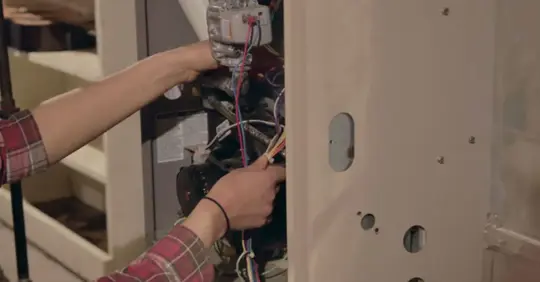
One of the more significant aspects of furnace maintenance involves the inspection and cleaning of the burner and heat exchanger. The burner is a core component of the furnace, responsible for igniting the gas that heats the air circulated throughout your home. Over time, these burners can become clogged with soot or debris, which can cause inefficient burning and potentially lead to complete burner failure. Regular cleaning ensures that the burner is operating at optimal efficiency, thus maximizing the furnace’s ability to heat a home swiftly and effectively. This careful attention can prevent the occurrence of minor issues escalating into larger, costlier problems.
The heat exchanger, on the other hand, is where the fuel combustion generates heat. It plays a vital role in transferring heat into the air, which is then distributed throughout the home. If neglected, the heat exchanger's efficiency can diminish due to dirt and residue accumulation, leading to increased energy consumption and exposing occupants to serious risks like carbon monoxide leaks. Carbon monoxide is an odorless, colorless gas that poses significant health risks, including nausea or even fatality in high concentrations. By adhering to a strict maintenance regimen, you can mitigate these risks and ensure a safe and warm home.
Replacing or Cleaning Filters
Next in the spotlight of furnace maintenance is the simple, yet impactful, task of replacing or cleaning filters. Filters are the unsung heroes of HVAC systems, responsible for trapping dust, debris, and other particles, thus keeping the air clean and the internal machinery running smooth. To maintain optimal indoor air quality, filters should be checked monthly and cleaned or replaced at least every three months, or more often if you have pets or suffer from allergies. This regular attention not only protects your respiratory health but also ensures the furnace operates at peak efficiency.
Types of filters can vary, from basic fiberglass options to more advanced high-efficiency particulate air (HEPA) filters, which can capture smaller particles and provide superior air quality benefits. While basic filters may be lighter on the wallet, the investment in a higher-quality product can make a marked difference in both health and HVAC performance. Properly maintaining filters ensures that less strain is placed on the system, which reduces wear and tear over time and contributes to overall energy efficiency. Ultimately, taking charge of filter maintenance is a straightforward way for homeowners to uphold their furnace’s performance and their home’s air quality.
Checking and Optimizing the Thermostat
Finally, the thermostat serves as the command center of the heating system, determining when and how much heat is needed in your home. To ensure its accuracy and efficiency, routine checks and calibrations should be performed. Calibration involves making sure that the thermostat senses the correct ambient temperature and cycles properly. Sometimes, homeowners will experience fluctuating temperatures or an unresponsive system due to a thermostat that is out of sync. Catching these discrepancies early through regular maintenance prevents undue wear on the furnace and ensures a constant, comfortable temperature throughout the home.
Recently, many homeowners have been upgrading to smart thermostats that offer a suite of modern conveniences, including remote control through mobile devices, energy usage tracking, and learning algorithms that adjust settings based on patterns and preferences. These systems can optimize heating schedules and further enhance energy efficiency, offering additional savings over time. When contemplating such an upgrade, it is crucial to ensure compatibility with your existing furnace model. A professional tune-up is ideal for pairing these smart systems with your furnace while also finetuning your current thermostat settings for improved performance.
Increased Risk of Breakdowns
Neglecting regular furnace maintenance is akin to rolling the dice with home comfort and unexpected repair costs. A crucial component of this is understanding the increased risk of breakdowns due to deferred maintenance. When maintenance is overlooked, minor issues—like dirty sensors, worn belts, or clogged filters—can evolve into severe, machinery-crippling problems. These often result in emergency repair calls during the coldest months when furnaces are working overtime and when, unfortunately, HVAC service providers are at their busiest. According to HVAC industry statistics, emergency repairs can be three times more costly than scheduled maintenance, emphasizing the financial advantage of preventive care.
Most commonly, neglect leads to failures of crucial parts like the blower motor, ignition system, or heat exchanger. Each of these components is vital to the efficient functioning of a furnace, and their failure often results in annoying interruptions and unexpected financial outlays. In addition to the direct implications for your wallet, the inconvenience of such breakdowns cannot be overstated, often leaving families cold and uncomfortable at inopportune times. An ounce of prevention is indeed worth a pound of cure, saving both money and frustration by addressing maintenance needs timely and regularly.
Safety Hazards: Carbon Monoxide and Fire Risks
Regular furnace maintenance is not just about prolonging equipment lifespan or reducing energy bills; it's intrinsically linked to safety. One of the most significant risks associated with neglected furnaces is carbon monoxide (CO) leaks. This dangerous gas can be emitted when fuel isn't burned completely or when there's a faulty heat exchanger. Without routine inspections, homeowners might unknowingly expose themselves and their loved ones to this silent threat—a threat that could easily be mitigated through professional checks that ensure all components function correctly.
Moreover, the accumulation of dust and debris on key furnace components can lead to overheating and, at worst, present a serious fire hazard. Ignoring these apparently minor issues only invites disaster. Regular cleaning of burners, filters, and other components reduces these risks considerably. By investing in regular maintenance and heeding the advice of local HVAC experts, homeowners contribute to a safer household environment, free from the threats of CO poisoning and fire hazards. Proactive maintenance should be considered an essential element of household safety measures, giving you peace of mind in knowing that these dangers are under control.
Higher Energy Bills and Reduced Comfort
When it comes to the financial and comfort-related consequences of neglecting furnace maintenance, two key issues come to the fore: rising energy bills and home discomfort. A poorly maintained furnace often operates at reduced efficiency, requiring more energy to achieve the desired level of warmth. This inefficiency directly affects your monthly utility bills, resulting in higher costs that could have otherwise been avoided with routine maintenance. Keeping a watchful eye on furnace performance and investing in regular upkeep effectively reduces unnecessary energy consumption, offering a visible impact on your energy bill.
In addition to financial considerations, a neglected furnace often leads to uneven heating, which translates to reduced home comfort. Rooms may be inconsistently heated, with some areas too warm while others remain chilly. This imbalance can be particularly bothersome during Las Vegas's colder months. Regular maintenance helps ensure that furnaces distribute heat evenly throughout your home, maximizing comfort and creating a reliable living environment regardless of what’s happening beyond your front door. Instead of enduring sporadic heat and escalating costs, homeowners can prioritize maintenance, guaranteeing predictable and pleasant indoor conditions.
Preparing for Winter: Pre-Season Tune-Ups
As winter approaches, your furnace becomes one of your most important home assets. Ensuring it's ready to meet the season's demands is crucial to avoid any distressing surprises. The first step in preparing for winter is conducting a comprehensive pre-season tune-up. These tune-ups will typically include cleaning and inspecting the burner and heat exchanger, testing safety controls, and ensuring overall operational efficiency. Addressing these checks before winter ensures that your furnace is running smoothly and effectively as temperatures drop. An overlooked piece of maintenance is checking the chimney or flue and ensuring there's no blockage that could pose a ventilation risk.
Incorporating a checklist into your pre-season preparations can serve as a helpful guide for homeowners, ensuring no maintenance tasks are overlooked. This list might include changing air filters, testing the thermostat, inspecting ducts for leaks, and scheduling a professional inspection if necessary. The ready-for-winter checklist ensures that all bases covered, thus positioning homeowners advantageously against the unexpected cold snaps that can occur, even in Las Vegas.
Mid-Season Maintenance: Ensuring Consistent Efficiency
Once winter is in full swing, ongoing maintenance is necessary to maintain consistent efficiency and comfort. Mid-season maintenance can often be as simple as checking filters and replacing them if they appear dirty or clogged. Remember, these play an integral role in ensuring your system remains efficient and that air quality is not compromised. Thermostats should also be monitored, ideally ensuring they're kept at optimal settings to sustain consistent warmth without unnecessary energy consumption.
Furthermore, regularly listen for any unusual noises from the furnace, which could be indicative of emerging issues. Addressing these promptly prevents potential disruptions and maximizes efficiency throughout the season. Regularly reviewing system performance for any signs of inefficiency ensures any concerns are promptly addressed, minimizing the risk of breakdowns and optimizing comfort for the remainder of the heating season.
Post-Winter Inspection and Maintenance
As temperatures begin to rise, transitioning your home setup from heating to a more neutral system for the warmer months can be as important as pre- and mid-season maintenance. Post-winter inspections are instrumental in identifying any wear the furnace endured during the heavy-use months, allowing homeowners to plan needed repairs or preventive care. Such inspections might reveal components that require attention, ultimately informing your approach to potential upgrades, replacements, or maintenance needed in time for next winter.
Shutting down heating systems correctly is equally important; it protects both the furnace and increases its longevity. Professional checks at this time can be beneficial, offering insights into areas requiring care or modification. A detailed post-winter review, whether handled personally with diligence or through the assistance of an HVAC professional, ensures that your furnace remains in optimal condition, ready to deliver performance when needed once more.
Understanding When to Call an HVAC Professional
Determining when to engage an HVAC professional for furnace maintenance as opposed to tackling it yourself is crucial for ensuring safety and effectiveness. Simple tasks like changing filters can often be handled by homeowners, but more complex issues such as burner cleaning, electrical issues, or extensive system overhauls require the expertise of a qualified technician. Improper handling of these components can worsen problems or pose significant safety risks, making professional intervention the recommended course of action.
When consulting with service providers, it's prudent to ask pertinent questions to assess their expertise and suitability for your needs. Queries might include understanding their experience with your system's make and model, the specifics of their service offerings, and any cost breakdowns. In Las Vegas, where heating needs are critical yet distinct from colder climates, selecting a provider who understands local demands is essential to ensuring optimal care for your system.
DIY Maintenance Tasks for Homeowners
While certain furnace tasks are best left to the professionals, there are several maintenance actions that homeowners can safely perform. This includes regular filter changes, ensuring vents are open and unobstructed, and visually inspecting the furnace area for potential obstructions or damage. Maintaining a clean and clear environment around your furnace prevents unnecessary strain on the system and ports potential issues early, which can be addressed before they develop further.
It’s also crucial to recognize some common pitfalls in DIY maintenance, such as neglecting regular checks or using incorrect filter types for your specific system, which can diminish furnace efficiency. By equipping yourself with accurate and model-specific information—often found in the furnace manual or online resources—homeowners can handle simple tasks effectively, keeping their system running smoothly without professional assistance.
Cost-Benefit Analysis of Professional Service Contracts
Evaluating the cost-effectiveness of investing in a professional service contract against engaging in sporadic DIY attempts is an important consideration. On the surface, DIY tasks may appear to be more cost-effective; however, the long-term benefits of professional maintenance contracts often outweigh these immediate savings. Professional contracts typically include regular inspections, tune-ups, priority in emergency situations, and discounted service rates—all of which significantly reduce the risk of unexpected breakdowns and costs.
Moreover, service contracts can be beneficial if your furnace is still under warranty, as skipping professional maintenance might void this warranty, leading to unnecessary costs should something go awry. In evaluating your approach to furnace maintenance, weighing the protective benefits of annual contracts against the allure of DIY alternatives helps in making a financially sound and efficient decision that suits your household and financial goals.
Contact Mr. Cool Heating & Air Conditioning: Your Partner in Optimal Furnace Care
Regular furnace maintenance is a cornerstone of energy efficiency, indoor comfort, and home safety. At Mr. Cool Heating & Air Conditioning, we specialize in comprehensive HVAC services tailored to our unique climate and your specific needs. From professional tune-ups to emergency services and smart thermostat integrations, our team of licensed professionals is here to ensure your heating system keeps your home warm and safe all year round. For more information on our services or to schedule an inspection, contact us today and experience the comfort of expert care.
Call Mr. Cool Heating & Air Conditioning now at (702) 941-7076 or contact us online.